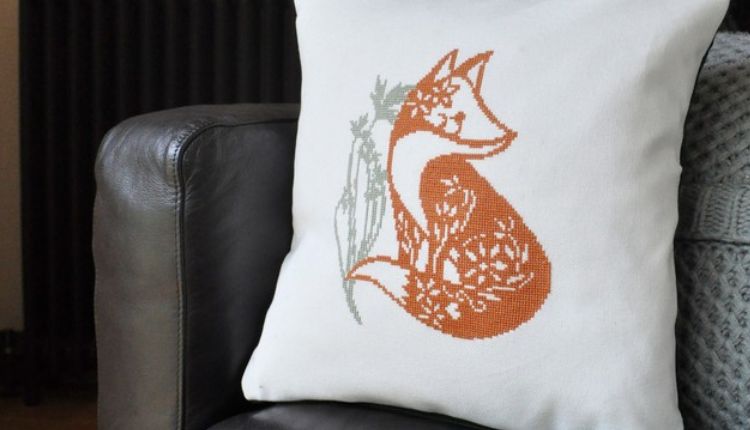
If you’re like me, you probably have a ton of finished cross-stitch projects tucked away and waiting to be used. Many cross stitchers either: 1) fall in love with a design without considering how they will use it; 2) realize that it doesn’t really fit in the space they had intended to use it; 3) frame it themselves and find it to be a little disappointing; or 4) decide against having it professionally framed because it is too expensive.
What Can We Do?
This is a fantastic and flexible method for showcasing your finished products. Everyone has furniture that begs to be adorned, including couches, chairs, baskets, mattresses, and bookcases. You will also have a magnificent, one-of-a-kind accent piece. Additionally, combining various designs in this way is fairly straightforward. In addition, if you’re on a limited budget, it’s far less expensive.
Because your finished product is priceless and probably will end up as an heirloom, treat it with the utmost care.
There are a few things to consider before beginning a body pillow custom. When finished, your piece must be flat and even because it won’t be stretched like it would if it were framed.
Use mild soap to gently wash your finished item before making it into a pillow. You can either dry it first or press it with a lot of steam, or you can press it on the back side on a cushioned surface while rolling it up in a Turkish towel to absorb any moisture that may still be there. Never try to push it to the right side as this would result in the stitches flattening.
Now is the time to think about the type of cushion you want. You can purchase books with how-to directions on manufacturing pillows or borrow books from your neighborhood library.
The Ideal Pillow Kinds for Use with Cross-Stitch or Needlepoint Designs
- A cushion with cables
- Soft pillow
- innovative pillows
- Cushioned box
- The Cushion with Cords
Cording gives a cushion a more fitting appearance and increases stability. You must choose a fabric with a color that complements the pattern for the pillow’s back. Because you’ll want to use this fabric to hide the cording, avoid choosing a material that detracts from or overshadows the design.
The Decorative Pillow
Ruffles make a pretty display for cross-stitch, needlepoint, and other needlework patterns. Selecting a fabric color that enhances rather than detracts from the design is crucial. The same material is used to cover the cushion’s reverse. Remember that not all patterns go well with ruffles.
A Pillow with a Sharp Edge
This is the same as a corded cushion when the cording is removed. This type of cushion is fairly simple to construct and has flat borders and a rounded center. However, it does not exhibit the object as well as other varieties do.
Case Cushion
Box pillows are made firmer by a boxing strip that is sewn in between the cover and the pillow’s back. When manufacturing them, cording is not required. This pillow shape showcases a needlework piece very successfully if you want to display it on a shelf or in a cabinet. You can have a piece of foam cut specifically to the length and depth you need. Have the foam professionally cut where it is purchased because it can be difficult to cut foam evenly. The same caution must be used in the fabric choosing procedure for the back and boxing strip as it is for the other designs.
Stuff Your Pillows With
If you can’t find the correct size pre-made pillow forms, you can make your own using polyester stuffing that you can get by the bag. If you’re building your own pillow form, start by cutting a piece of muslin to the necessary size and stuffing it with polyester filling until it is the right stiffness. The pillow itself shouldn’t contain the stuffing.
When creating a body pillow custom you can use a precut foam piece or a box cushion shape. Cover a piece of foam with muslin or another thin fabric before inserting it into your pillow.
Holes in Pillows
To create an opening for your pillow so you can easily remove the pillow form for cleaning, we recommend using one of these methods.
Conclusion
Add a zipper along that side, running between the cording and the pillow’s back.
A zipper needs to be installed in the back piece of the pillow’s center. If you don’t have much sewing experience, this method might be easier for you. If you do it carefully, it will look great. You could also take it to a professional who makes pillows.
We suggest having your pillows dry cleaned if they become soiled. Talk about the project with the dry cleaner you trust because this is a priceless item. Nothing ought to happen to it, in your opinion.
