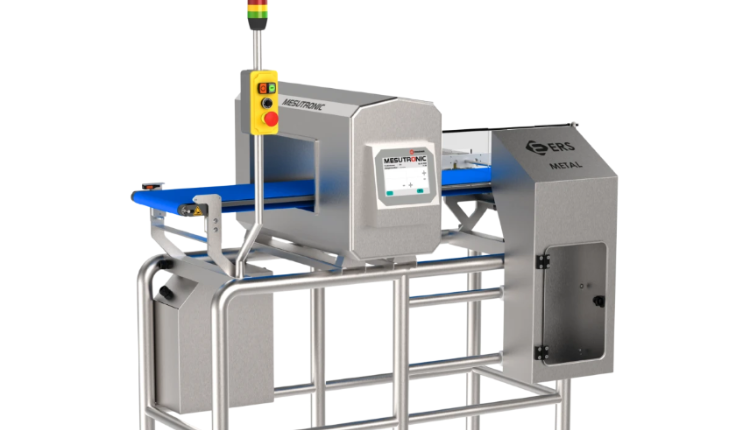
Metal Detector
Evaluate your product type and line requirements
Choosing the right food metal detector starts with understanding your production environment. Every food processing line has different requirements depending on product size, packaging type, throughput, and hygiene standards. A system that works well for dry goods may not be the best choice for fresh, moist, or packaged products. For this reason, manufacturers should first assess what kind of products move through the line and how quickly they need to be inspected.
It is also important to consider how the detector will fit into the existing workflow. In high speed production environments, the system should operate with accuracy without slowing down the line. Reliable detection helps reduce the risk of contaminated products reaching the market while also supporting consistent quality control. A well designed solution should not only detect metal contaminants effectively but also integrate smoothly into the overall production process. Companies looking for advanced food metal detector solutions should focus on systems that can adapt to different product dimensions and line conditions.
Another key factor is the rejection mechanism. Different production lines may require different rejection methods such as air blast, pusher, flap, or drop reject systems. Selecting the right rejection option ensures that contaminated products are removed efficiently without interrupting the rest of the line.
Focus on sensitivity usability and long term value
Sensitivity is one of the most important features when selecting a food metal detector. The system should be capable of identifying very small metal particles while minimizing false rejections. High detection accuracy protects brand reputation, supports food safety compliance, and helps avoid costly recalls. For food manufacturers, this balance between precision and operational stability is essential.
Ease of use is another major consideration. A user friendly interface, simple parameter settings, and clear monitoring tools can make daily operations much more efficient. Modern systems often include touchscreen controls, production data tracking, and easy maintenance access. These features help operators respond quickly and keep the line running with minimal disruption.
Long term performance should also guide the decision. Investing in a durable and adaptable system can improve efficiency over time and reduce maintenance related downtime. ERS Checkweigher offers solutions designed to support both product safety and production continuity. When choosing a detector, it is best to think beyond immediate needs and select a system that can continue to support your business as production demands grow.
