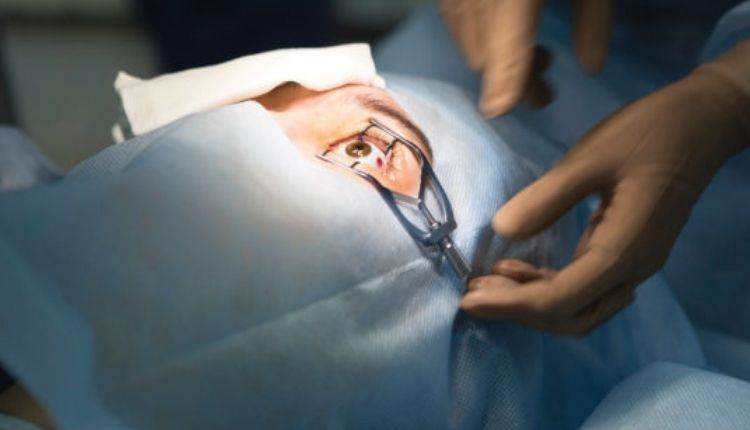
The time after your Lasik procedure is equally as crucial as the procedure itself. The cornea must fully recover. This takes time and necessitates extensive aftercare, all of which should be carried out carefully.
A corneal flap must be made for the laser to reach and remodel the inner corneal surface during Lasik surgery by Dr Ferzaad Moosa. The flap must subsequently recover and re-bond to the cornea’s outer layer. It would be reassuring to know that all corneal operations, including complete transplants, recover in the end because the eye has remarkable healing abilities.
After Lasik surgery, the healing process typically takes six months. Any vision issues you may have had throughout this time should have entirely disappeared or, at the very least, significantly diminished. It could take a little longer, perhaps up to two years, for the corneal flap to heal fully. But you shouldn’t feel uncomfortable or concerned about this. Your vision or your regular activities should not be affected throughout the ongoing corneal healing process.
For the majority of patients, at least five follow-up appointments are planned after Lasik surgery. The initial visit will most likely occur within 24 hours of the operation. Maintaining all of these appointments is crucial so the doctor can monitor your progress in healing and address any issues that may develop.
It is normal to anticipate eye irritation following Lasik surgery, but you shouldn’t have any pain. Eye drops as part of the aftercare will assist in easing this discomfort. After the surgery, this will need to be done for a minimum of two to four weeks.
Other Typical Side Effects Following Lasik Eye Surgery Include:
- Slightly blurred vision.
- A dry eye sensation.
- Minor eye puffiness and redness.
- Sensitivity to bright light.
- Watery eyes with a runny nose.
Other post-operative advice that you might require to make this time more bearable for yourself is provided below:
You can take any over-the-counter painkiller without aspirin, such as Advil or Tylenol, to relieve any slight discomfort.
When going outside during the day, shield your eyes from sunshine and other strong lights by donning sunglasses.
Get extra shut-eye for at least two to three days following surgery to give your eyes the most rest possible.
Following the procedure, you must wear the eye mask you were given for at least two to three hours, and for the following three to four days, you must sleep with it on.
All water-related activities, including whirlpools and hot tubs, should be avoided during the first two weeks. Then, you should refrain from diving under the water for at least six weeks.
Pre-Surgery Eyesight Status
Your pre-surgery eyesight status is the most critical aspect in determining your risk factor and the need for post-surgery corrections. There are more odds that there will be some complications in your surgery, and you won’t be happy with the results if your vision has significantly degraded. Additionally, the outcomes can be subpar if there is even a slight amount of astigmatism. Finally, even while touch-up surgery is routine and typically included in the initial price, the idea of extra surgery is still uncomfortable.
There are no absolute assurances following Lasik eye surgery, just like any other procedure. The most crucial component in determining overall success is each person’s ability to cure themselves.
The eye is first put to sleep with a few anesthetic drops. Once you cannot feel your look, the surgeon can access the corneal bed by creating a tiny flap on the cornea’s surface using a unique tool called a microkeratome.
After carefully positioning the corneal flap, an excimer laser with a cold beam restructures the cornea, changing the eye’s focal point to provide sharper vision. The corneal flap is then gently repositioned and will immediately start to heal.
The cornea, the portion of the eye that perceives light on the retina, is altered during traditional LASIK surgery with Dr Moosa. In LASIK surgery, the reshaping occurs following a laser treatment that is carefully prepared while taking into account the exact refractive error of the eye. As a result, the cornea is flattened to treat nearsightedness, whereas the cornea is steepened to treat farsightedness. The outcome of LASIK eye surgery is for most patients to have vision good enough to require glasses or contacts for most activities no longer.
However, in specialized LASIK procedures, doctors use it on patients to lessen night vision disturbances like glare and halos. This technique, which employs modified therapy in the wavefront analyzer, which allows for a better degree of diagnostic information, results in a significant percentage of custom LASIK surgery patients gaining twenty by twenty visions.
Conclusion
There are a few things that discourage people from getting Lasik eye surgery. First, the age range of 19 to 24 is regarded as an ineligible candidate for this treatment. Likewise, anyone with a disease like diabetes, HIV, herpes, or even pregnant or nursing mothers. Additionally, if it has been determined that your eyes have refractive instability, thin corneas, or large pupils, Lasik surgery is not advised.
