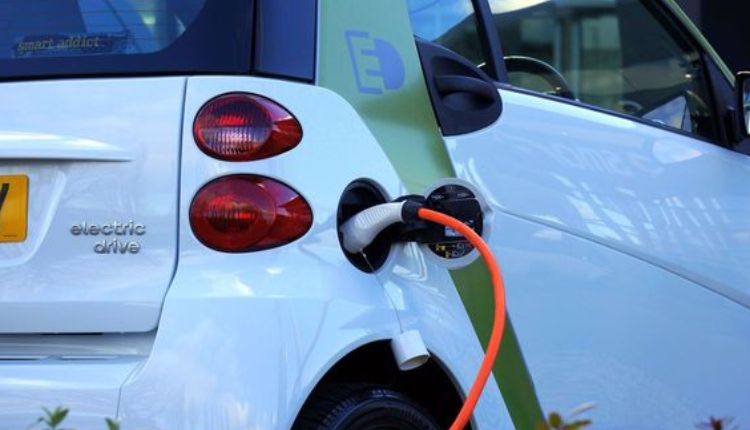
Whether you drive an EV, plug-in hybrid or fuel cell vehicle, you’ll want to charge it at least once a day. That means you’ll need a reliable, well-located and safe charging station. There are many choices in the market today. Choosing the best one can make your life easier and help you avoid costly mistakes.
Level 1
Level 1 best ev charging stations work with all electric vehicles, including Battery Electric Vehicles (BEVs) and Plug-in Hybrid Electric Vehicles (PHEVs). EV drivers can find these chargers at most public and workplace charging stations. They charge a standard BEV, for example, in 22-40 hours, or a modern PHEV in 30-90 hours. Generally, Level 1 is best for lower-mileage drivers and EVs that use less power than a higher-output battery electric vehicle. The slowest of all the EV charging levels, Level 1 essentially provides 3.5 to 6.5 miles of range per hour of charging. These chargers are often used as a backup to Level 2 or DC fast chargers, and they work well in locations that don’t have a Level 2 or DC fast charging solution available.
Typically, these Level 1 chargers are found in multiunit dwellings like apartment complexes and condominiums or at workplaces where multiple EVs are charged at once. They’re a good choice for reducing electricity costs and providing a convenient charging option to employees.
Level 2
Level 2 chargers recharge electric vehicles at a rate of 12 to 80 miles an hour, filling most EVs from empty in around 4.5 hours. They’re the most common type of public charging station. Most Level 2 EV chargers run on a 240-volt electrical source, similar to what you plug an oven or clothes dryer into. This is the most common power input for home EV charging, but it can also be used in workplaces and other commercial environments.
In addition to faster charge times, Level 2 chargers provide a range of features that make the charging experience easier for drivers. For example, you can monitor your charges from a smartphone, schedule charging windows, and track your total energy use. Level 2 best ev charging stations are affordable, easy to install, and don’t require expensive infrastructure. That makes them an ideal choice for a variety of business and residential uses.
Fast Chargers
Fast charging is a powerful way to recharge your battery. Compared to Level 1, fast chargers can charge your car four times faster, making them a great option for people who commute by EV or have longer commutes. A fast charger should be able to supply up to 150 kW for CCS-compatible EVs and 50 kW for CHAdeMO-compatible EVs. Check your car’s manufacturer manual to learn what the maximum power level is for your vehicle. During charging, your charger will gradually increase the voltage. This is to maintain the optimal battery temperature and to ensure the charger delivers enough current to fully charge your EV.
In addition, it can also lower the charge speed if certain conditions exist and halt the charge when the battery becomes overheated or under stress. In a well-designed charger, the charge is adjusted based on the condition of the “chemical battery.” The charge can be monitored in real time and the charging station is equipped with temperature compensations and other safety features to prevent overheating and shorten charging time.
Personal Chargers
There are two basic ways to charge an EV: at home, where you use your domestic mains electricity supply; or at a public charging station. The choice is based on your specific needs, the type of EV you have and the speed you want to charge it at. Most EV drivers choose to charge their vehicles at home because it’s more convenient, faster and cheaper than using public charging stations. That said, public chargers can have their own set of drawbacks, including speed, cost, availability (both free and working), and safety.
One major concern is that EV owners have to pay higher per-kilowatt-hour prices when using public charging stations than at home because utilities determine the price of electricity used to power the stations. Demand charges also cover a utility’s infrastructure maintenance costs, which can make public charging more expensive than charging at home.
Conclusion
States and companies could develop a more effective network of charging stations by following a few key principles. These include placing them where EV owners will use them and providing customers with clear pricing and payment options.
