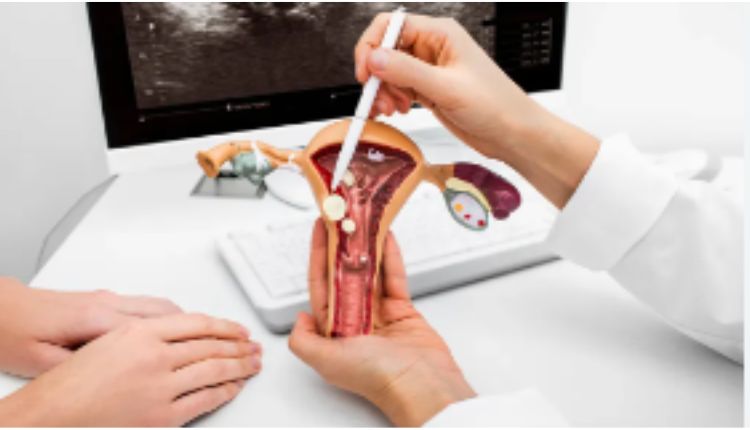
Obstetricians and gynecologists are the primary detectives in identifying ovarian cysts. These fluid-filled sacs on the ovaries can sometimes indicate health concerns. In the realm of new york hormone replacement therapy, these professionals also explore treatment options that can help manage symptoms related to ovarian issues. Understanding their pivotal role can offer clarity and confidence in navigating these health challenges.
Understanding Ovarian Cysts
Ovarian cysts are common, especially during a woman’s childbearing years. They often form during the menstrual cycle. Most are harmless and resolve on their own. However, some cysts may cause symptoms such as pelvic pain, bloating, or irregular periods. In certain cases, cysts can lead to complications such as rupture or torsion, which might require immediate attention.
The Role of Obstetricians and Gynecologists
Obstetricians and gynecologists use various methods to identify and monitor ovarian cysts. These methods include:
- Pelvic Exams: A routine pelvic exam can detect abnormalities.
- Ultrasound: This imaging technique helps visualize the cyst’s size, shape, and composition.
- Blood Tests: Tests like the CA-125 can assess for potential markers that might indicate cancer.
By employing these techniques, they can determine whether a cyst is simple or complex and decide on the appropriate course of action. For more detailed information, visit the Office on Women’s Health.
Treatment Options
Not all ovarian cysts require treatment. When needed, options may include:
- Watchful Waiting: Monitoring cysts over time to see if they resolve or change.
- Medications: Hormonal treatments like birth control pills can prevent the formation of new cysts.
- Surgery: In some cases, cysts need to be surgically removed, especially if they are large, persistent, or cause pain.
Comparison of Common Ovarian Cyst Types
| Type | Description | Treatment |
| Functional Cysts | Common during the menstrual cycle; usually harmless and resolved on their own. | Often requires no treatment; monitoring is typical. |
| Dermoid Cysts | Non-cancerous growths containing tissue such as hair or skin. | Surgical removal may be necessary if large or symptomatic. |
| Cystadenomas | Benign growths that can develop on the outer surface of the ovary. | Surgical removal may be required. |
| Endometriomas | Cysts caused by endometriosis; contain tissue similar to the uterine lining. | May require medication or surgery. |
For a comprehensive guide on managing ovarian cysts, refer to the Mayo Clinic resource.
The Intersection with Hormone Replacement Therapy
Hormone replacement therapy (HRT) can be relevant in managing symptoms related to ovarian cysts, especially in postmenopausal women. While HRT is not a direct treatment for cysts, it can help manage hormonal imbalances that may contribute to their formation. In cities like New York, hormone replacement therapy is part of a broader strategy to address women’s health issues, offering options to those experiencing related symptoms.
Conclusion
Obstetricians and gynecologists are indispensable in identifying and managing ovarian cysts. Their expertise helps ensure that these common occurrences are monitored and treated appropriately, reducing the risk of complications. By understanding the types of cysts and available treatments, patients can engage in informed discussions with their healthcare providers and make decisions that best suit their health needs.
