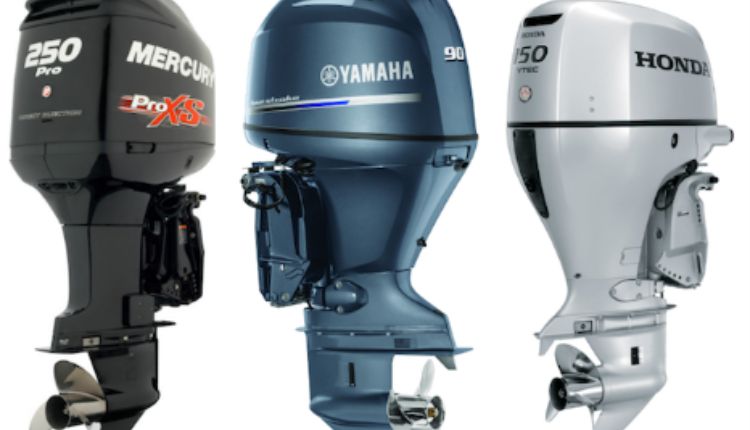
Outboard Motor
Purchasing a used 2-stroke outboard motor can be a cost-effective way to power your boat without breaking the bank. However, buying second-hand equipment always carries some risk. With proper research and inspection, you can find a reliable outboard that will provide years of service. This guide will help you make an informed decision and avoid common pitfalls when buying a used 2-stroke outboard motor.
Why Choose A 2-Stroke Outboard?
Buying a used 2 stroke outboard motors have long been favored for their simplicity, lightweight design, and powerful performance. Unlike 4-stroke engines, they do not require an oil sump or complex valvetrain, making them easier to maintain and repair. Additionally, they offer a higher power-to-weight ratio, making them ideal for small boats and applications where weight is a concern. Although newer environmental regulations have led to a decline in the production of 2-stroke engines, many boaters still prefer them for their rugged reliability.
Key Considerations When Buying A Used 2-Stroke Outboard
- Determine Your Needs
Before you start shopping, define the specific requirements for your outboard. Consider:
Horsepower: Ensure the motor is appropriate for your boat’s size and weight.
Shaft Length: Choose between short, long, or extra-long shaft, depending on your boat’s transom height.
Tiller vs. Remote Steering: Some outboards are controlled by a tiller handle, while others require a remote steering system.
Electric vs. Manual Start: Electric start motors offer convenience, while manual start motors are simpler and often more reliable.
- Research the Make and Model
Some brands and models have a reputation for reliability, while others are known for common issues. Research user reviews, forums, and manufacturer details to determine if the motor you’re considering has any red flags.
- Inspect the Exterior Condition
A visual inspection can tell you a lot about how well the motor was maintained. Check for:
Corrosion and Rust: Excessive corrosion on the engine block or lower unit may indicate poor maintenance or prolonged saltwater exposure.
Propeller Condition: Look for dings, bends, or excessive wear, as these may indicate past collisions or misalignment.
Cowling and Decals: Heavy fading or missing decals could suggest prolonged sun exposure, which may degrade rubber seals and wiring.
- Check for Signs of Internal Wear and Tear
Compression Test: A compression test can indicate the overall health of the engine. Cylinders should have even compression readings within a 10% range of each other.
Spark Plugs: Remove and inspect the spark plugs. A healthy engine should have clean, slightly brownish spark plugs without excessive oil or carbon buildup.
Lower Unit Oil: Drain a small amount of gear oil from the lower unit. Milky oil indicates water intrusion, which could mean failing seals or internal damage.
- Start the Engine and Listen
If possible, ask the seller to run the engine in a test tank or on a boat. Listen for:
Knocking or Rattling Noises: These may indicate internal wear or misfiring.
Smooth Idling: The engine should idle smoothly without excessive vibration or stalling.
Even Acceleration: When you throttle up, the engine should respond smoothly without hesitation.
Smoke Levels: Some smoke is normal for a 2-stroke, but excessive white or blue smoke could indicate an issue with the fuel mixture or internal seals.
Inspect The Cooling System
Check that the telltale (water pee stream) is strong and steady. Weak or non-existent flow may indicate a clogged cooling system or a failing water pump.
If the engine overheats quickly, it may require a new impeller or thermostat replacement.
Ask for Maintenance Records
A well-maintained engine should have a record of oil changes, impeller replacements, and general servicing. Lack of maintenance history may be a red flag.
Check the Price and Negotiate
Compare the asking price with similar models online to ensure you’re getting a fair deal. If you find any minor issues during your inspection, use them as leverage to negotiate a better price.
Consider the Seller’s Reputation
Buying from a reputable dealer or an experienced boater is usually safer than purchasing from an unknown individual. If possible, get a bill of sale and ensure the serial number on the engine matches any documentation provided.
Final Thoughts
Buying a used 2-stroke outboard can be a smart investment if you take the time to inspect it properly. Look for signs of wear, test its performance, and ensure it has been well-maintained. With careful evaluation, you can find a reliable motor that provides years of trouble-free boating. Happy boating and safe travels on the water!
