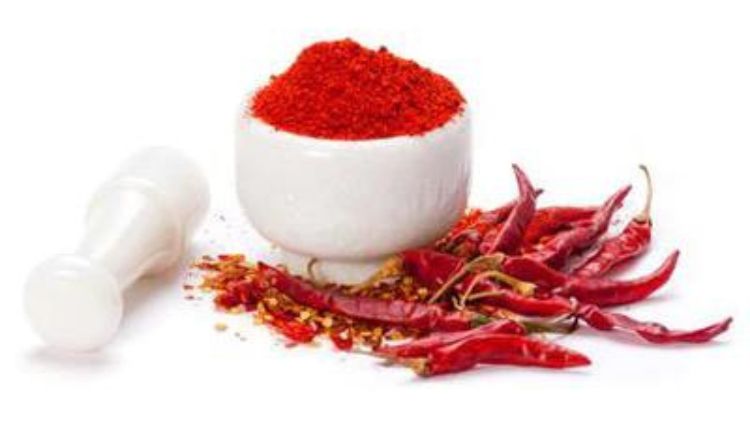
Introduction:
Spices have been an integral part of culinary traditions across the globe, enhancing the flavors of dishes while adding a kick to the palate. Among the myriad of spices, red chilli stands out as a popular choice for its vibrant color, tantalizing aroma, and intense heat. Red chilli, scientifically known as Capsicum annum, not only brings a fiery sensation to our taste buds but also offers a host of benefits. In this article, we will explore the various uses, health benefits, and potential side effects of red chilli, allowing you to appreciate this fiery delight while making informed choices.
Uses of Red Chilli:
- Culinary Delight: Red chilli is widely employed as a culinary spice in diverse cuisines around the world. Its spicy and pungent flavor adds depth and character to a variety of dishes, including curries, sauces, stews, and marinades. Its versatility allows it to be used in powdered form, as flakes, or whole, depending on the desired level of heat.
- Food Preservation: Red chilli has natural antimicrobial properties, making it an effective ingredient for food preservation. It inhibits the growth of bacteria and fungi, thus prolonging the shelf life of perishable foods. Additionally, red chilli is often used in pickling and fermenting processes to preserve vegetables and fruits.
- Medicinal Applications: Beyond its culinary uses, red chilli has been utilized for its medicinal properties for centuries. Its active compound, capsaicin, possesses analgesic and anti-inflammatory properties, making it a key ingredient in topical creams and ointments for pain relief and arthritis management. Furthermore, red chilli stimulates the release of endorphins, promoting a sense of well-being.
Health Benefits of Red Chilli:
- Boosts Metabolism: The capsaicin in red chilli has been found to increase metabolic rate, aiding in weight management. It enhances the body’s ability to burn calories and fat, making it a valuable component of weight loss diets. However, it should be consumed in moderation, as excessive intake may cause stomach discomfort.
- Improves Heart Health: Red chilli is rich in antioxidants and flavonoids, which help reduce oxidative stress and inflammation, ultimately benefiting cardiovascular health. It may help lower blood pressure, reduce bad cholesterol levels, and improve blood circulation, thereby reducing the risk of heart diseases.
- Supports Digestive Health: Red chilli stimulates the secretion of digestive juices, aiding in digestion and alleviating gastrointestinal issues. It can provide relief from gas, bloating, and indigestion. Additionally, red chilli possesses antibacterial properties that help combat bacterial infections in the digestive tract.
- Enhances Immunity: The presence of vitamin C in red chilli strengthens the immune system, promoting overall health and well-being. Vitamin C is a potent antioxidant that neutralizes free radicals, reducing the risk of chronic diseases and boosting the body’s defense against infections.
Side Effects and Precautions:
- Gastrointestinal Discomfort: Excessive consumption of red chilli may lead to gastrointestinal issues such as heartburn, acid reflux, and stomach ulcers, particularly in individuals with a sensitive stomach or pre-existing digestive conditions. It is advisable to consume red chilli in moderation and listen to your body’s tolerance levels.
- Allergic Reactions: Some individuals may be allergic to red chilli and may experience symptoms such as skin rash, itching, or difficulty breathing upon consumption. If you develop any allergic reactions, it is crucial to seek immediate medical attention.
Interaction with Medications: Capsaicin present in red chilli may interact with certain medications, including
Tags: gastrointestinal
